Join us for the next BOSSs Meeting
Tuesday, March 17, 2026
Time: 11:00 am - 1:00 pm EST
March 2026 Program
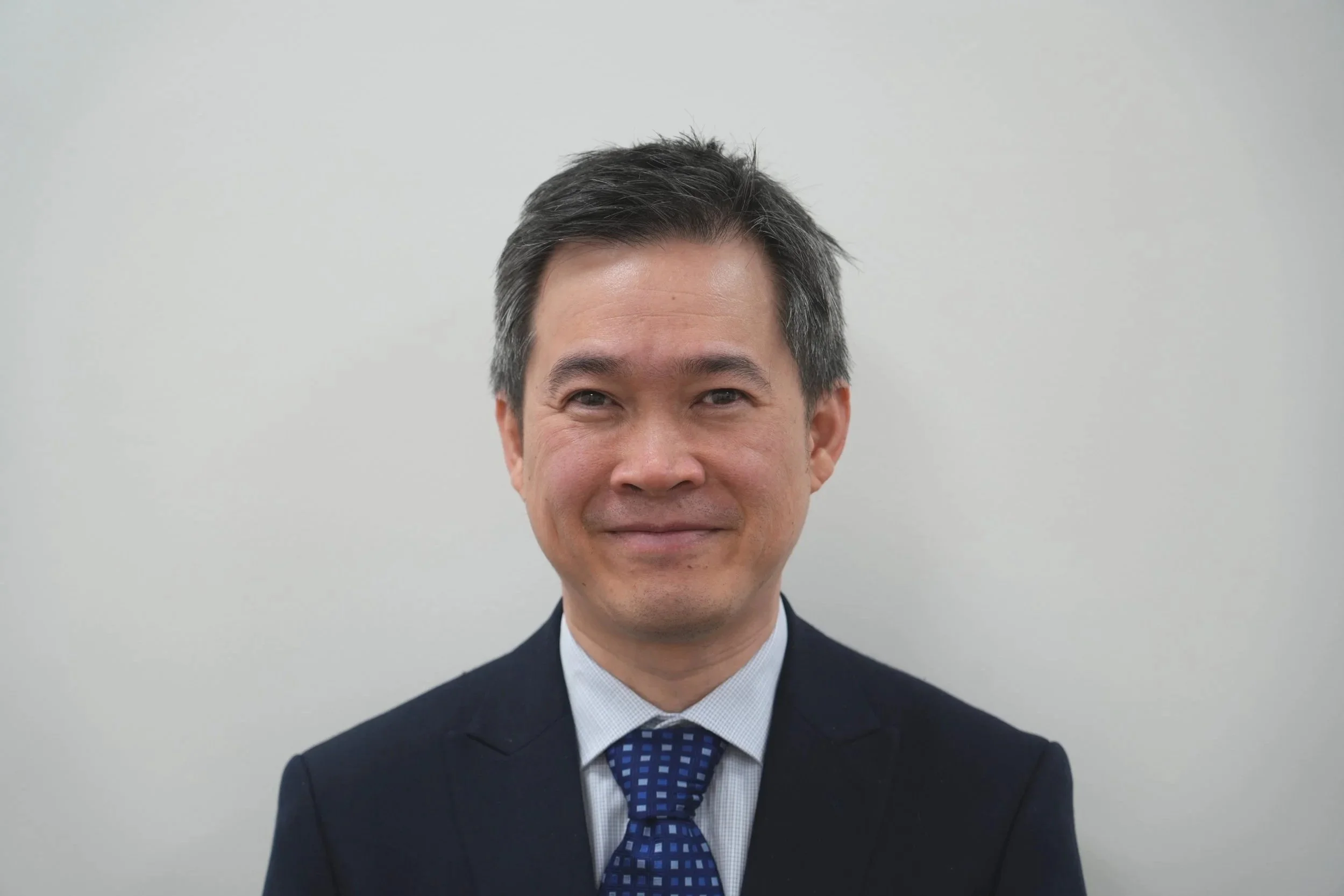
Dr. Jerry Heng
Imperial College

Michaela Loveless
Indiana University
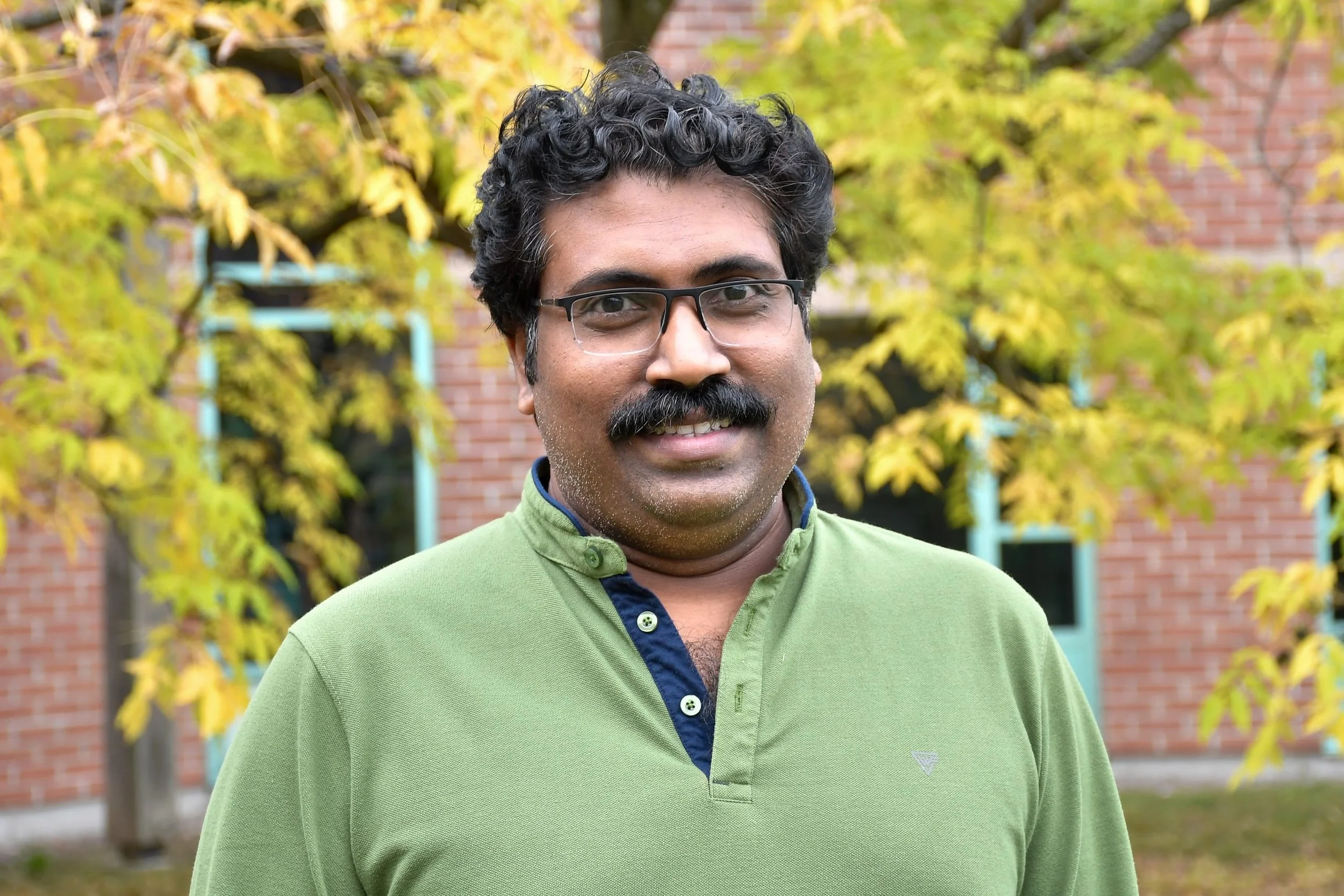
Dr. Adarsh Narayanan
UTD Dallas
Plenary Lecture
Dr. Jerry Heng
Imperial College London
Time: 11:05 a.m.
Peptide Crystallisation - The Things That Matter
Peptide-based drugs continue to grow in importance as a class of therapeutics, yet their manufacture remains hampered by difficulties in purification, stability, and delivery. Current approaches, while effective, can be costly and resource intensive. Crystallisation is emerging as an attractive alternative, offering routes to purification and solid form control, but presents challenges due to the inherent complexity and conformational flexibility of peptides. In this talk, I will discuss our group’s efforts to address these challenges by investigating the fundamentals of peptide solubility, nucleation and crystallisation, the influence of impurities, including approaches to control their nucleation via both hard and soft templating approaches. I will highlight the case of glycine homopeptides (model) and "real" peptide, demonstrating crystallisation as a promising alternative for peptide drug development.
Short Talks
Dr. Adarsh Nayarassery Narayanan
Postdoctoral Researcher, UTD Dallas
Time: 11:45 a.m.
MIL-100(Fe)—g-C3N4 Heterojunction as Photocatalyst for the Degradation of PFOA
Perfluorooctanoic acid (PFOA), a persistent perfluoroalkyl substance (PFAS), poses serious environmental and health challenges due to its exceptional chemical stability and resistance to conventional degradation methods. In this work, we present the synthesis and application of a MIL-100(Fe)/graphitic carbon nitride (g-C₃N₄) heterojunction composite as an efficient visible-light-driven photocatalyst for PFOA degradation in aqueous systems. The composite was fabricated via a solvothermal in situ growth approach, ensuring strong interfacial contact between MIL-100(Fe) and exfoliated g-C₃N₄ nanosheets. MIL-100(Fe) provides redox-active Fe³⁺/Fe²⁺ centers capable of electron transfer, while the heterojunction architecture—configured as type-II or Z-scheme—enhances charge separation and promotes reactive oxygen species (ROS) generation, critical for C–F bond cleavage. Under visible-light irradiation, the MIL-100(Fe)/g-C₃N₄ composite achieved 80% PFOA degradation within 5 hours, demonstrating its potential as a robust photocatalytic system for PFAS remediation.
Michaela Loveless
Ph.D. Student, Indiana University (Flood Lab)
Time: 12:15 p.m.
Crystal Engineering of Optical Properties
Optical materials are prolific in applications from bioimaging to solar energy harvesting. However, exciton coupling between molecular fluorophores in the solid-state quenches emission. By spatially and electronically isolating dyes from each other in predictable crystal lattices, they are permitted to behave as they would in dilute solution. We accomplish isolation with small-molecule, ionic isolation lattices (SMILES) from charge-by-charge packing of dyes and macrocycles. The reliability of crystal packing in SMILES materials delivers programmable optical properties to the solid-state. One feature of SMILES is their ability to control defect sites within the crystal lattice. Defect control allows us to turn “bugs,” like dyes dimers, into features. This talk will present our work into crystal engineering of optical properties through the introduction of dimers. The goals of this work are to create frameworks for crystal engineering requirements for photon upconversion and to apply these frameworks to developing new solar energy harvesting materials.